
While August is usually the month when students return to school, I decided to save the Back to School blog for September. For August, I looked for some uncommon animals to share using the alphabet. Drop a comment if you learn something new today. Thanks to Google Gemini and Wikipedia for the animals and details.
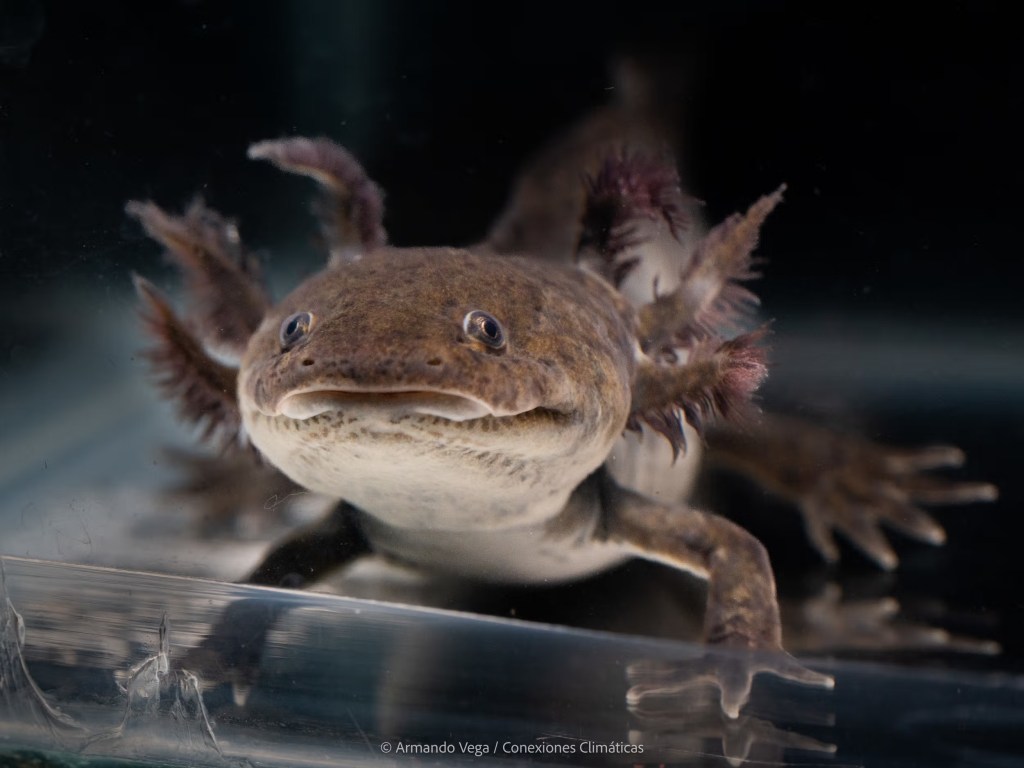
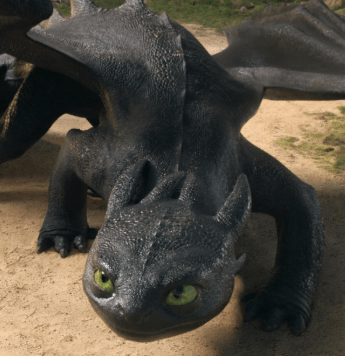
A – Axolotl: “A Mexican salamander that never metamorphoses into an adult form, allowing it to keep its gills and regenerate lost limbs, spinal cords, and even brain tissue.” When I first saw an image of this animal, I thought about Toothless from How to Train Your Dragon. Thanks to Conservation International and the LA Times for these images. (https://www.conservation.org/news/axolotls-are-on-the-brink-can-we-bring-them-back and https://www.latimes.com/entertainment-arts/movies/story/2025-06-14/how-toothless-evolved-animation-live-action-new-how-to-train-your-dragon.)
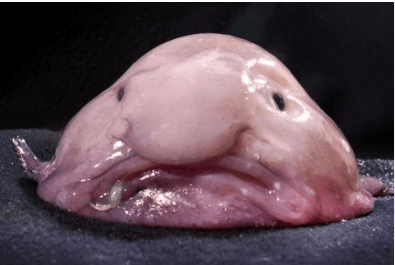
B – Blobfish: “Found in the deep oceans off the coast of Australia, its jelly-like flesh allows it to withstand extreme pressure.” The first time I saw an image of this animal, I thought about Squidward from SpongeBob SquarePants. Thanks to the Island Bay Marine Education Centre and Nickelodeon Universe for these images. (https://octopus.org.nz/content/blobfish-facts and https://nickelodeonuniverse.com/character/squidward.”

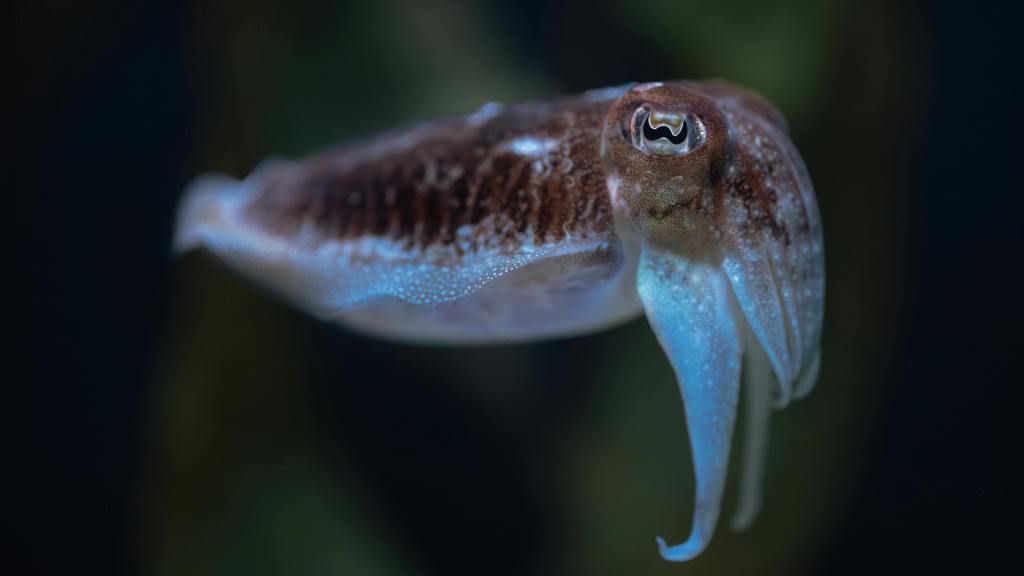
C – Cuttlefish: “A master of disguise that uses specialized skin cells to change colors and textures in a fraction of a second.” When I saw the word for this animal, I thought I would see something like a cuddle fish, but it definitely does not look like something I would want to cuddle with. Thanks to the Smithsonian Ocean Portal for this image. (https://ocean.si.edu/ocean-life/invertebrates/common-cuttlefish)
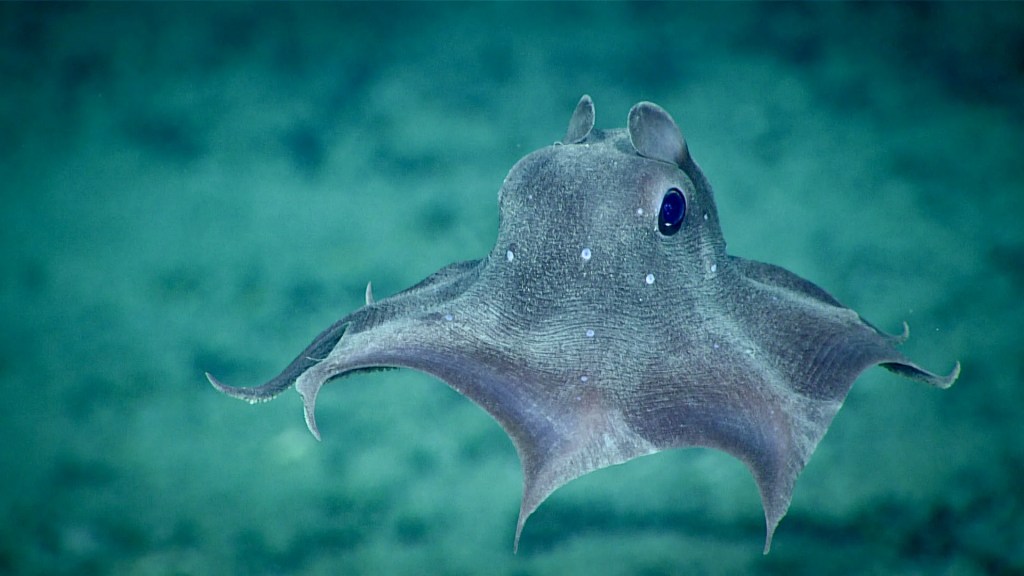
D – Dumbo Octopus: “A deep-sea cephalopod that gets its name from the ear-like fins on the side of its head.” Thanks to the Ocean Conservancy for the image (https://oceanconservancy.org/blog/2018/10/08/everything-need-know-dumbo-octopus/)
E – Echidna: “One of the only two mammals in the world that lays eggs; The other is the platypus.” When I first saw the name echidna, I thought about an enchilada. Maybe I was hungry… According to Wikipedia, the echidna is also called a spiny anteater. When I saw the image, I thought it was a porcupine. I guess it is a cross between an anteater and a porcupine. Would you agree? Thanks to the Currumbin Wildlife Sanctuary for the image (https://currumbinsanctuary.com.au/animal-facts/10-facts-about-echidnas.)

F – Fossa: “A carnivorous, cat-like mammal endemic to Madagascar that is highly agile and an expert climber.” In fact, the fossa is the “largest mammalian carnivore” there. The fossa reminds me of a cougar. However, the fossa has some scary eyes, in my opinion.
G – Gerenuk: “An unusually long-necked antelope found in East Africa that can stand on its hind legs to reach high branches.” The gerenuk looks like a miniature giraffe. While it is a part of the gazelle species, it has no comparable speed. Its long neck also reminds me of a llama. Have you ever seen an animal like this? Drop a comment and let me know.
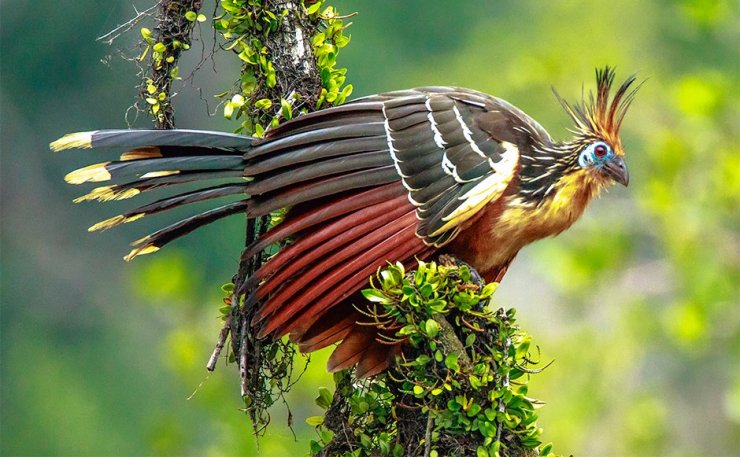
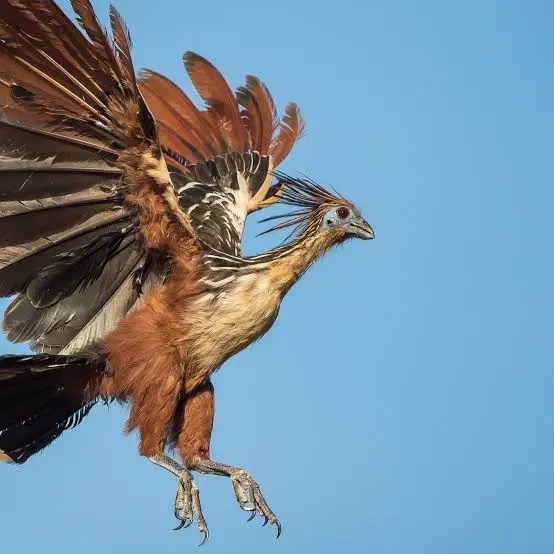
H – Hoatzin: “Also known as the “stinkbird,” this South American bird has chicks that possess claws on their wings to help them climb trees.” This tropical bird looks so strange, I had to include an image. Its head reminds me of a peacock’s head, but it is less colorful. I really don’t know how to describe its wings. Drop a comment and let me know how you would describe this bird. Thanks to Wild Latitudes and Live Science for these images. (https://wildlatitudes.com/the-hoatzin-a-weird-and-wonderful-bird/ and https://www.livescience.com/animals/birds/hoatzin-the-strange-stinkbird-born-with-clawed-wings-that-appears-to-be-an-evolutionary-orphan.
I – Indri: “The largest living lemur, famous for its haunting, whale-like songs that echo through the forests of Madagascar.” Have you ever watched the Madagascar movie? The lemurs on there are very well depicted. If you have not seen this animation, I encourage you to find it and watch it. A second movie named Madagascar: Escape 2 Africa was released 3 years later. A third movie named Madagascar 3: Europe’s Most Wanted was released nearly 4 years after the second one. I must admit, I have not seen the latest movie. I need to have a Madagascar movie marathon.
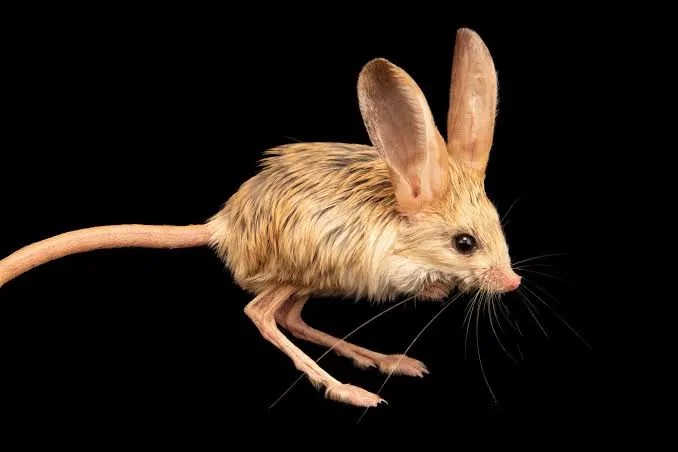
J – Jerboa: “A tiny, desert-dwelling rodent with kangaroo-like legs and a very long tail for balance.” This animal also has ears like a rabbit. It looks so weird, I had to include a picture. Multiple sources have indicated that the jerboa is cute, but deadly, so be careful if you ever see one in the desert. Its short front paws remind me of a T-Rex. Drop a comment and let me know what you think.
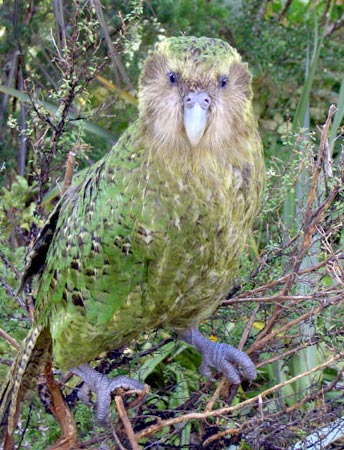
K – Kakapo: “A critically endangered, large, flightless, and nocturnal parrot native to New Zealand.” This bird is not beautiful like a typical parrot. It is like a cross between a parrot and an owl, except its eyes are beady. You may already know that owl eyes are huge. The shape of the kakapo face is similar to the shape of an owl’s face. It is just not a pretty bird, in my opinion. Drop a comment and let me know your thoughts.
L – Leafy Sea Dragon: “A marine fish closely related to the seahorse, beautifully disguised with leaf-like appendages that help it blend into seaweed.” Nice camouflage! There are several animals that blend with their backgrounds, like a gecko, a praying mantis, a stick bug, a stonefish, and more. Some are brown like trees, green like leaves, or grey like a rock. It is a great way to hide from predators.
M – Maned Wolf: “The largest canine of South America, looking much like a fox on remarkably long, stilt-like legs.” A maned wolf is called a canine because it is not actually a wolf. It looks like a red fox and is only found in South America. It has a face like a wolf, but it has legs like a horse. It’s kind of cute, in my opinion.
N – Narwhal: “Often dubbed the ‘unicorn of the sea,’ it is a medium-sized whale with a large, protruding tusk that is actually an overgrown tooth.” Can you imagine having a tooth that spirals out of your top lip? I cannot! Have you ever seen a narwhal? I have not seen one in person, but I have seen one on Paw Patrol (season 1) and SpongeBob SquarePants (at Kamp Koral). Of course those are cartoons, but Paw Patrol depicts real animals on their show, and the animal imagery is quite accurate, except for them operating heavy machinery, of course. SpongeBob is another story… I mean, how can you have a sponge under water without it swelling? That show is for pure enjoyment, even though it does have some real sea creatures, including a narwhal. However, their imagery comes from a lot of imagination. Would you agree?
O – Okapi: “An elusive, forest-dwelling mammal native to the Congo that looks like a cross between a deer and a zebra.” The head of the okapi looks like a giraffe, especially the males, which have the same little horns, called ossicones. When I first saw the head, I thought of a kangaroo. However, the okapi hind parts and legs look like a zebra. The most astonishing thing I learned is that they weigh 450-550 pounds, with the females being bigger than the males! Am I the only one who did not know that?
P – Pangolin: “The only known mammal entirely covered in scales, which rolls into an impenetrable ball when threatened.” They are like a cross between an anteater and an armadillo. They look like a scaly anteater that is fully covered by keratin scales that overlap. When they roll up for safety, they are not a perfect ball like an armadillo, but they still have an impenetrable shell.
Q – Quokka: “A small, famously friendly marsupial from Australia, renowned for its perpetual, smiling facial expression.” I’m excited to talk about the quokka. I actually have a quokka. His name is Peter and he sings with Stray Kids. His stage name is Han. His Korean name is Han Jisung. I say he is mine because I claim all of Stray Kids as my adopted children. Peter is called a quokka because he is friendly, has friends from Australia, smiles often as he is always joking, and he stuff his cheeks when he eats, and looks just like a quokka! Have you heard of Stray Kids? If not, I encourage you to check them out on YouTube. I love all of their music and each of them has a beautiful soul. Watch whichever video pops up first when you search for them on YouTube. Drop a comment and let me know your thoughts about the group, individuals in the group, and/or my little quokka.
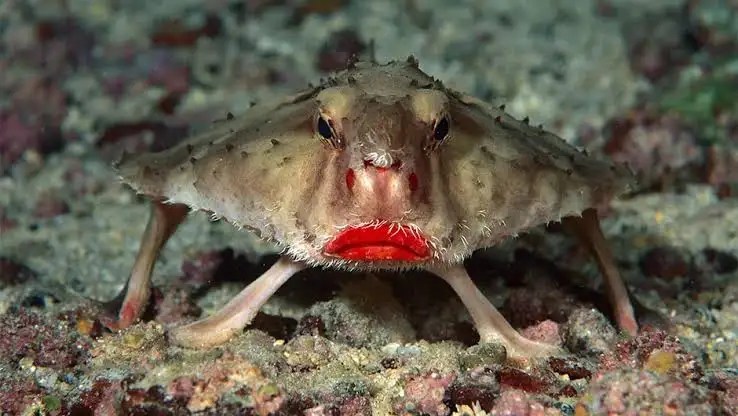
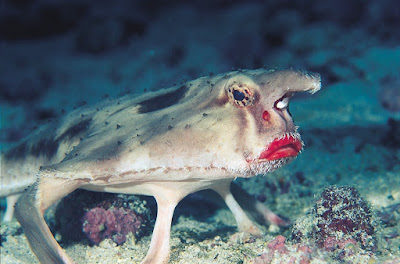
R – Red-Lipped Batfish: “A bizarre-looking bottom-dweller from the Galapagos Islands that uses modified fins to “walk” across the ocean floor.” Wow! How did we go from a quokka to a batfish? And not just any batfish, but a red-lipped one! I just had to include some images of this because it is unbelievable. Looks like this batfish is ready to go on a date! Even more astonishing is that this could be a male or a female. The left one actually looks like a female to me, and the second one looks like a male. However, that’s just my opinion. I could be totally wrong! Drop a comment and let me know what you think. Thanks to BBC Science Focus magazine (https://www.sciencefocus.com/nature/what-is-a-red-lipped-batfish) and Real Monstrosities (http://www.realmonstrosities.com/2015/06/red-lipped-batfish.html) for the images.
S – Saiga Antelope: “An ancient antelope with a highly flexible, distinctively oversized trunk-like snout.” It reminds me of the snout of a tapir. However, the snout of the saiga antelope helps it survive harsh climates. It filters out dust during arid summers and warms freezing air before it enters the lungs during winter. I find that fascinating! I also like the wavy horns of this antelope.
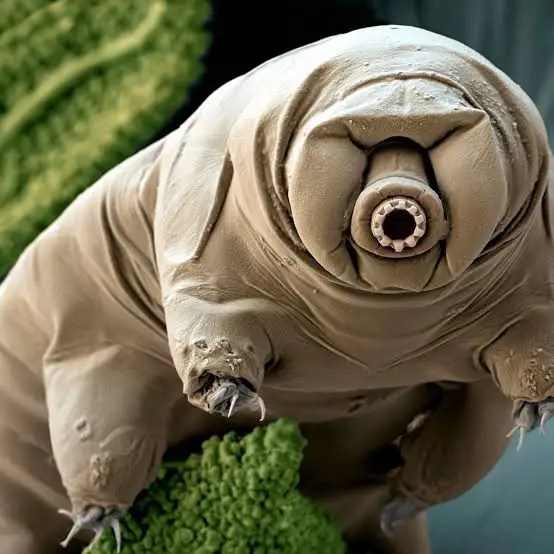
T – Tardigrade: “Also known as a water bear, this microscopic eight-legged creature is nearly indestructible and can survive in the vacuum of space.” I have to share a very magnified image of this animal that is the size of a period at the end of a sentence. Wow! From a certain distance, it does look like a bear, but the closeup image looked like a bag with air in it. Drop a comment and share your thoughts. Thanks to The Guardian for the images (https://www.theguardian.com/science/2021/mar/20/tardigrades-natures-great-survivors).

U – Uakari: “A small, bald-headed monkey from the Amazon rainforest that is instantly recognizable by its striking, bright red face.” Oh, my goodness! This monkey has a VERY red face. It looks like a painful sunburn, but I’m sure it’s not. Aso, it may have a bald head, but there is plenty of hair everywhere else! It looks like it is wearing a fur coat with exceptionally long hairs.
V – Vampire Bat: “A Central and South American bat that is one of the only mammals to survive entirely on a diet of blood.” A vampire bat is not necessarily an unusual animal. There have been so many references to it on television for many years. In many of those movies, you find a human that has been turned into a vampire, sleeps in a coffin during the day and turns into a bat that flies away to escape whatever is chasing it. Those movies also want you to believe that you will turn into this human with vampire teeth if you are bitten by a vampire or a vampire bat. However, people should actually be concerned about catching rabies from a vampire bat bite, which could be fatal if not treated immediately. Something else interesting that I learned is that the saliva from a vampire bast is called draculin, which is an anticoagulant. (It makes you continue bleeding without your blood clotting.) Is that where they got the name Dracula? Makes sense to me! I never want to encounter a vampire bat, so you will not see me visiting Central or South America.
W – Wombat: “A stocky, burrowing marsupial from Australia that is famous for producing cube-shaped poop.” They have some cool animals in Australia. It makes me want to go there even more. I already wanted to go there after becoming familiar with my Stray Kids, especially Christopher Bahng and Felix Lee. The wombat looks like a cute little bear. I had to look up the wombat poop. Seeing is believing, right? If you know how they are pooping out cubes, please drop a comment and let me know. I also learned that the wombat has what humans call “buns of steel.” They defend themselves by going headfirst into their burrow, leaving their impenetrable bottom at the door. It is rock-hard and fortified with cartilage. That’s amazing to me.
X – X-ray Tetra: “A small, freshwater schooling fish notable for its largely translucent, transparent body.” I can see why this fish is called an X-ray. You can see its bones. Like you are looking at an x-ray. It also has pretty fins. Its formal name is Pristella Maxillaris, but I like the x-ray name better.
Y – Yeti Crab: “A deep-sea crustacean covered in silky, blonde, hair-like bristles that it uses to “farm” and consume bacteria.” The formal name for a yeti crab is Kiwa hirsute. I will stick to saying yeti crab. It looks so fascinating that I had to share an image from Wikipedia (https://en.wikipedia.org/wiki/Kiwa_hirsuta). The yeti crab is also called a yeti lobster, which makes more sense. It actually looks like a lobster. However, I would never eat it! As a matter of fact, I have never eaten a regular lobster either. I just cannot bring myself to do it after seeing them crawling around in a fish tank, knowing they will be boiled alive. I have eaten at Red Lobster several times, but I have never eaten their lobster. I mainly go there for cheddar bay biscuits. Yummy!
Z – Zorilla: “Also known as the African polecat, it closely resembles a skunk and relies on a highly potent odor to deter predators.” The Zorrilla is also called a striped polecat. Seeing the name, my first thought was a zebra-striped gorilla. However, it actually looks like a skunk with an elongated body. Its body is longer than a skunk because it comes from the weasel family. If I had seen a Zorilla before I saw the skunks in my front yard, I would have thought it was a skunk, especially if it sprayed its foul odor. However, I have not been to Africa, so I have not seen or smelled the striped polecat. If you have been to Africa and seen a Zorilla, drop a comment and tell me about your experience.
That’s it for the uncommon animals A to Z. I learned a lot! How about you? Leave us a comment letting us know what you learned from this blog post. Also, let us know what other topics you want us to explore. We welcome your feedback and suggestions.

